On this full-day tour of the British sectors on D-Day, you will visit: Pegasus Bridge, Hillman Strongpoint, Sword Beach, Gold Beach, Arromanches/Mulberry Harbour, Longues-sur-Mer Gun Battery, and the British War Cemetery at Bayeux. Throughout the day you will learn about the planning behind the largest military operation in history, the units involved, and the remarkable individuals who shaped the outcome.

What You'll See

Locations We'll Visit
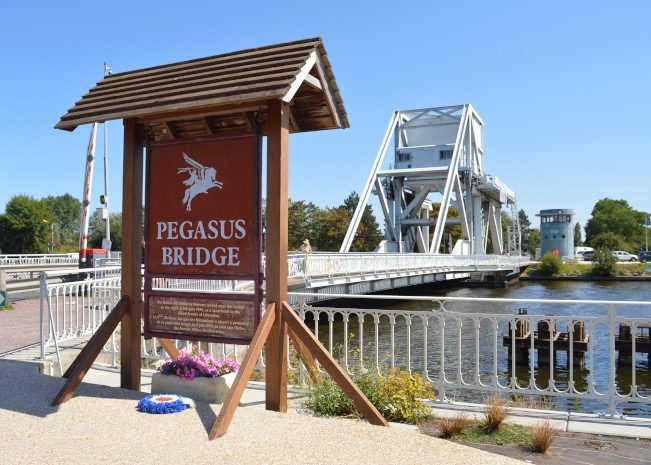
Pegasus Bridge
The bridges across the Caen Canal and Orne river were vital objectives. Learn how daring and successful the glider assault by Major Howard and men from the 2nd Battalion Oxfordshire and Buckinghamshire Light Infantry (6th Airborne Division) was. Hear the stories of the men who defended the bridges from German counter-attacks until Commandos from Sword Beach arrived. At a small extra cost, visit the world-renowned Pegasus Bridge Museum.
Hillman Strongpoint
This inland fortification was part of the German Atlantic Wall, positioned behind Sword Beach on commanding high ground. Learn about the ingenious bunker complex design and how elements of the British 3rd Infantry Division overcame this obstacle.
Sword Beach
The easternmost D-Day landing beach was assaulted by the British 3rd Infantry Division. Their task: breach three belts of German defences, push 8 miles inland, capture Caen, and link up with the 6th Airborne Division. Hear about the incredible German defence systems and the British plan of attack that smashed into them.
Lunch
Approximately 1-hour break for a sandwich or quick snack (not included in the tour price).
Juno Beach
Passing through the Canadian sector on our way to Gold Beach, you will hear stories about their involvement on D-Day.
Gold Beach
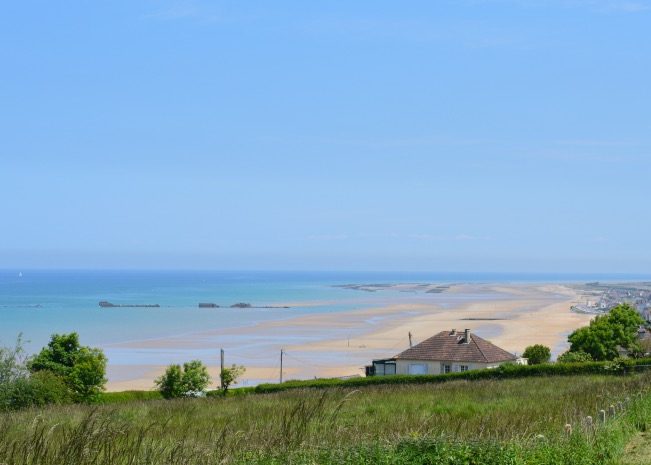
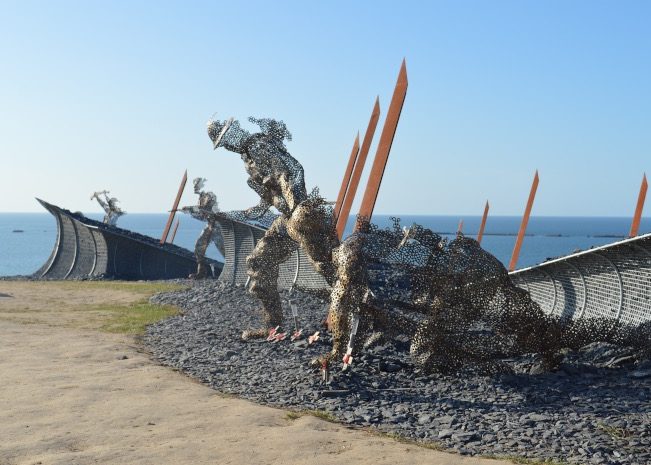
We visit the British 50th Infantry Division's landing sector. It was here that CSM Stanley Hollis of the Green Howards earned the only Victoria Cross awarded on D-Day. We follow his actions that resulted in this highest award for bravery in the British Commonwealth.
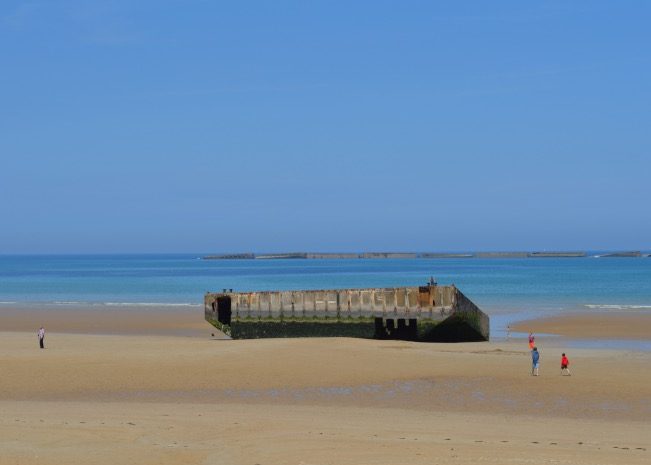
Arromanches / Mulberry Harbour
See the remains of the Mulberry artificial harbour, still visible in the bay. This extraordinary invention became the most important Allied supply port in North-West Europe until December 1944.
Longues-sur-Mer Gun Battery
This large German gun battery still has its original artillery pieces in place. These guns were a major threat to the invasion fleet on June 6th and had to be dealt with by the combined British and French navy.
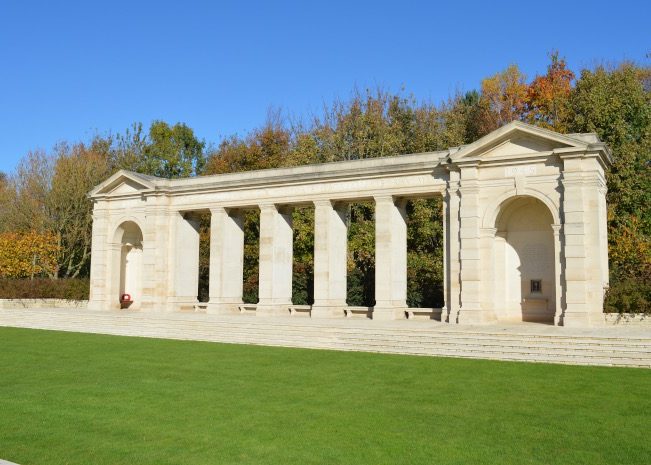
British War Cemetery at Bayeux
Time for reflection at the British War Cemetery, final resting place and memorial for 6,452 soldiers of various nationalities, including German.


